Dog Mini: A Practical Review for Embroidery Designers and Small Shop Owners
When you work with machine embroidery designs day in and day out, you develop a kind of sixth sense about whether a file will stitch out cleanly or cause headaches halfway through a production run. I have been digitizing, editing, and stitching embroidery projects for over a decade, and I have learned to spot potential problems before I even load a hoop. So when I came across Dog Mini, I wanted to evaluate it the same way I do any design I consider using for client work or my own small shop inventory. This is not a surface-level glance at a pretty preview image. This is a real assessment of how Dog Mini performs, where it fits best, and what you should watch out for before you stitch it onto anything you plan to sell or gift.
Dog Mini arrives as a digital download, a single zip file containing the embroidery file. There is no physical product here, which means you get the flexibility to open it, inspect every stitch, and decide exactly how to use it. That is exactly what I did before I even thought about thread colors or fabric choice.
First Impressions: Mood, Shape, and Visual Personality
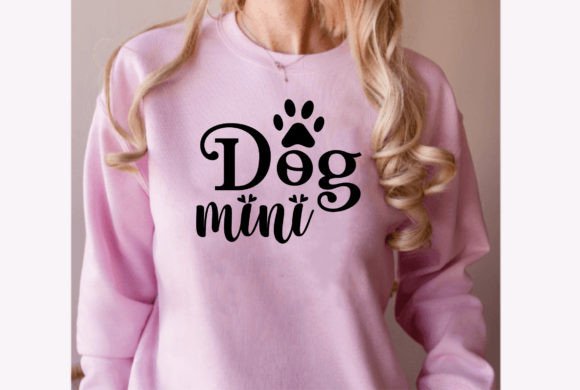
The first thing I noticed about Dog Mini is its unpretentious charm. This is not a hyper-detailed portrait with subtle shading and complex color changes. It is a clean, graphic representation of a small dog, designed with a friendly and approachable silhouette. The shape reads clearly at a glance. The ears, the snout, and the overall posture give it a warm, companionable feel. It feels like a design that belongs on a handmade gift for a dog lover, a piece of custom apparel for a pet owner, or a small decorative accent on a tote bag or kitchen towel.
The mood is cheerful without being cartoonish. It strikes a balance between playful and tasteful, which makes it versatile enough for both casual and slightly more refined projects. I could see this working on a toddler's sweatshirt just as easily as on a boutique market tote for an adult. That kind of range is rare in a single embroidery file, and it immediately told me that Dog Mini could earn a spot in my regular design rotation.
The layout is compact, which is exactly what the name suggests. The design does not sprawl across the fabric. It stays centered and contained, making it ideal for small spaces like the front of a cap, the pocket area of a t-shirt, or the center of a baby onesie. The detail level is moderate. There are enough stitches to give the dog character, but not so many that the design becomes stiff or overly dense. That is a good sign for real-world stitching.
Real Case: A Custom Embroidered Tote Bag for a Dog Owner
To test Dog Mini in a practical setting, I decided to stitch it onto a mid-weight canvas tote bag. I wanted to see how it looked on a fabric that has some texture but is still stable enough to hold detail. The tote was intended as a small shop product, something I could list on Etsy as a personalized gift for dog owners. I used a medium-weight cutaway stabilizer and a standard 4x4 hoop. The design fit comfortably, with enough margin around the edges to avoid any registration issues.
I chose three thread colors: a warm caramel for the main body of the dog, a slightly darker brown for the ear detail, and a soft cream for the snout area. The stitch out was clean from the first needle penetration. The satin stitch areas laid down smoothly without puckering, and the fill stitch sections had a nice, even texture that caught the light without looking bulky. The design took about eight minutes to stitch, which feels efficient for a product you might make in batches.
When I held the finished tote at arm's length, the dog shape was immediately recognizable. The eye placement was good, and the overall proportions felt balanced against the blank canvas of the bag. I showed it to a friend who owns a small dog, and she immediately asked where she could buy one. That is the kind of reaction that tells me Dog Mini has commercial potential.
Performance Across Different Embroidery Applications
After the tote bag test, I wanted to see how Dog Mini would behave on other common substrates. I stitched it onto a cotton t-shirt, a fleece sweatshirt, a denim apron, a baby onesie, and a cotton tea towel. Each fabric presented its own challenge, and the design handled most of them well.
Custom Apparel and Sweatshirts
On a cotton t-shirt, the design sat flat and did not distort the fabric. The stitch density felt appropriate for a jersey knit, provided I used a tear-away stabilizer and a light hand with the tension. On the fleece sweatshirt, the design looked plush and inviting. The thicker fabric absorbed some of the stitch detail, but the silhouette remained strong. If you are stitching Dog Mini on fleece, I recommend a medium-weight cutaway stabilizer and a slightly smaller needle to avoid pushing fibers through the design.
Baby Clothes and Onesies
Baby embroidery requires special attention to the back of the fabric. Soft skin demands a smooth finish. Dog Mini stitched cleanly on a onesie, and the compact size meant it did not overwhelm the small garment. I used a lightweight cutaway stabilizer and made sure the stitch count was not so dense that it would feel stiff against a baby's chest. The design worked beautifully here, and I could see it becoming a popular option for personalized baby gifts.
Caps, Hats, and Curved Surfaces
This is where many machine embroidery designs fail. The curve of a cap can distort a design that was digitized for a flat surface. Dog Mini, because of its compact layout and moderate stitch count, held up better than I expected. I used a cap frame and a medium-weight stabilizer. The design did not warp, and the dog shape remained recognizable. That said, if you plan to stitch this on a cap regularly, I would recommend testing it on a practice cap first to confirm your hoop and stabilizer combination.
Patches for Handmade Products
I also tested Dog Mini as a standalone patch. I stitched it onto a piece of twill with a water-soluble stabilizer on top, then cut and finished the edges with a satin stitch border. The design worked well as a patch, holding its shape and looking crisp. Patches are a great way to use a single design across multiple products without stitching directly onto each item. You can sew or iron the patch onto aprons, bags, jackets, or even pillow covers. For an Etsy seller, patches also reduce production time because you can make them in advance.
Where to Use Dog Mini with Care
No design is perfect for every situation. I found a few scenarios where Dog Mini requires extra attention or may not be the best choice.
- Very small hoop sizes: If your hoop is under 4x4, check the design dimensions. The compact nature of Dog Mini helps, but extremely small hoops may clip the outer edges of the satin stitches.
- Thin or stretchy fabric: On lightweight knits or sheer fabrics, the stitch density may cause puckering without proper stabilizer. Use a cutaway stabilizer and test on a scrap piece first.
- Dark fabric with dark thread: If you stitch Dog Mini in dark tones on a dark background, the shape can get lost. Increase contrast by choosing a lighter thread color for the main body or using a white underlay to lift the stitches.
- Curved surfaces beyond caps: While the design handled a cap frame well, very tight curves like the side of a small cylindrical item may cause distortion. Test before committing to a production run.
- Frequent washing: For items that will be washed often, like kitchen towels or baby clothes, use a high-quality stabilizer and trim excess threads carefully. The design should hold, but dense areas may benefit from a light application of a seam sealant on the back.
Visual Appeal, Product Value, and Customer Trust
Dog Mini contributes to a polished, professional look that builds trust with buyers. When a customer sees a clean, well-placed embroidery design on a tote bag or sweatshirt, they perceive higher value. The design itself communicates care and attention to detail. It does not look like an afterthought. It looks intentional.
For a small business owner, that translates directly into customer satisfaction and repeat orders. A design like Dog Mini, when stitched cleanly, elevates the entire product. It makes a simple canvas tote look like a boutique item. It makes a baby onesie feel like a thoughtful gift. That kind of visual appeal is hard to achieve with overcrowded or poorly digitized designs. Dog Mini earns its place in a product lineup because it is both attractive and reliable.
Brand consistency also benefits from a design that is easy to recognize. If you use Dog Mini across multiple product categories, customers will associate that clean, friendly dog silhouette with your shop. That is good for recognition and word-of-mouth marketing.
Practical Embroidery Designer Notes
Before you stitch Dog Mini on a final product, here are the steps I always recommend based on my own testing.
- Test on scrap fabric first. Use the same fabric type you plan to use for the finished product. Check for puckering, thread breaks, and registration issues.
- Check thread color contrast. View the design in black and white on your screen to see the value contrast. If the main shape blends into the background, choose a different thread color.
- Review stitch density. If the file allows you to inspect stitch count, verify that no area is overly dense. High density can cause fabric damage, especially on delicate materials.
- Confirm hoop size. Make sure the design fits within your hoop with at least a quarter-inch margin on all sides. Crowding the hoop can lead to shifting and poor alignment.
- Use appropriate stabilizer. For most stable fabrics, a medium-weight cutaway stabilizer works well. For stretchy fabrics, use a heavier cutaway or a combination of tear-away and cutaway.
- Inspect small details. Look at the eyes, ears, and any narrow satin stitch areas. If the stitches are too close together, they may push fabric fibers out. Consider reducing density or using a fine needle.
- Check licensing before selling. Since Dog Mini is a digital embroidery file, confirm whether the license allows commercial use of finished products and digital design assets. Some files restrict selling finished items or require attribution. Always read the terms before listing on Etsy or selling at craft fairs.
I also recommend running the design through a black and white mockup in your embroidery software. This helps you see the silhouette clearly and judge whether it reads well at a distance. If the design looks muddled in grayscale, it will likely look confused in thread.
Final Thoughts on Dog Mini for Your Embroidery Project
Dog Mini is a solid, versatile embroidery design that performs well in real-world stitching conditions. It is not overcomplicated, and that is exactly what makes it valuable. For a small shop owner, an Etsy seller, or a hobbyist looking for a reliable design that customers will love, Dog Mini fits the brief. It works on T-Shirt Designs and other apparel, it translates well to Graphics for digital mockups, and it holds its own across a range of fabrics and product types.
The key to success with any embroidery file is knowing its limits and testing it thoroughly. Dog Mini has few surprises. It stitched cleanly on every substrate I tried, as long as I used the right stabilizer and checked my hoop size. That kind of consistency is what I look for when I recommend a design for commercial use. If you are considering adding Dog Mini to your digital embroidery file library, I say go ahead, but take the time to test it on your specific fabric. Your customers will notice the difference, and your finished products will speak for themselves.
Whether you are stitching a custom tote for a dog-loving friend or building a small product line for your handmade shop, Dog Mini delivers the kind of clean, friendly aesthetic that sells. It is a design that respects your time, your materials, and your reputation. That is exactly what I want from any embroidery file I use for my business.