Bride: A Designer's Hands-On Review for Real Embroidery Projects
When I first opened the Bride embroidery file, I was immediately struck by its quiet confidence. This is not a loud, overly ornate design. It carries a refined elegance that feels personal rather than generic. As someone who has stitched hundreds of projects for clients and my own small shop, I have learned to judge a design by how it behaves under the needle, not just how it looks on screen. Bride passes that first test with a steady hand. The mood is celebratory without being cluttered, and the layout offers enough presence to stand alone on a garment or pair well with additional personalization. It feels purpose-built for wedding season, bridal gifts, and commemorative pieces, yet it does not scream for attention. That restraint is exactly what makes it work for real embroidery projects.
First Impressions of the Bride Design
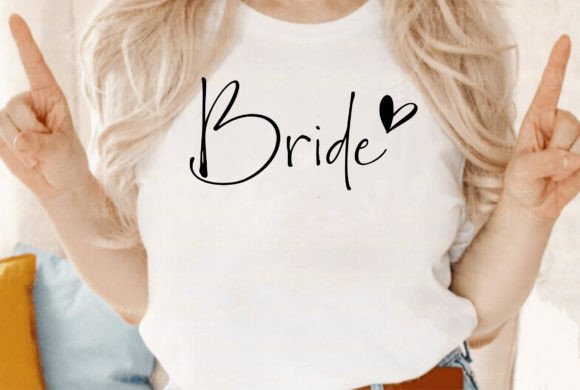
The visual personality of Bride leans into classic warmth. The shape is well-proportioned, making it suitable for centered placement on a wide range of blanks. The theme is clear and immediately readable, which matters when you are producing items for customers who want instant recognition. I appreciate that the details are deliberate without being fussy. There is a balance between solid fill areas and delicate linework that gives the design texture and depth. This is not one of those files that looks impressive on a monitor but turns into a muddy mess after stitching. The structure suggests careful digitizing, and that is the kind of foundation experienced embroiderers respect. For anyone in the Graphics space or selling T-Shirt Designs, this file has the kind of visual appeal that translates well into mockups and finished products alike.
Real Scenario: A Custom Embroidered Tote for the Bride
I recently prepared a custom tote bag for a bridal party gift using Bride. The client wanted something that felt special but not overly formal, something the bride could use at brunches or carry around the farmer's market. I hooped a quality canvas tote, used a medium-weight cutaway stabilizer, and let the design sit centered about four inches below the top edge. The stitch-out was clean. The fill stitches laid down smoothly with no puckering, and the satin stitching around the lettering gave it a polished, almost heirloom quality. The bride loved it. More importantly, Bride held up through the first wash with no distortion. That kind of reliability is what builds trust with buyers. Whether you are stitching for a friend or filling a wholesale order, you need designs that perform consistently. This one does.
How Bride Performs Across Product Categories
One of the reasons I am comfortable recommending Bride for commercial use is its versatility across different blanks. Here is how it behaves on the most common products in a small embroidery business:
- Custom Apparel and Sweatshirts – On cotton and poly-cotton blends, the design sits flat and retains definition. The stitch density is moderate enough that it does not stiffen the fabric noticeably, which is crucial for garments meant to be worn often.
- Tote Bag Designs – As mentioned, it handles tote bags beautifully. It works on both light and medium-weight canvas. For heavier twill, you may want to increase stabilizer weight slightly, but the design itself adapts well.
- Baby Embroidery and Personalized Gifts – Bride could easily be adapted for a baby blanket or christening gown with a simple thread color change. The mood is gentle enough to fit those applications without feeling out of place.
- Embroidered Patches – If you produce patches, the design has enough internal shape to stitch cleanly with a hot-cut or laser-cut edge. The fill areas give it substance, and the open spaces prevent it from feeling overly dense.
- Holiday and Wedding Gifts – For wedding-season inventory, this is a staple. It works on pillow covers, kitchen towels, and even the back of a denim jacket for a bridal party look.
Bride also performs well in digital product previews. It photographs nicely for printable mockups and shows clear detail at typical web thumbnail sizes. That matters if you are an Etsy seller or selling design assets to other makers.
Where to Use Bride with Caution
No design is perfect for every scenario, and Bride has a few considerations worth noting. First, if you are working with a small hoop size, double-check that the design fits within your working area before committing. The layout has enough width that a 4x4 hoop may feel restrictive. I recommend at least a 5x7 hoop for most placements. On tiny lettering or extremely small garments like newborn bodysuits, the design may need scaling down, but scaling too much could affect stitch density. Test a scaled version on scrap fabric first.
On stretchy fabric such as certain jersey knits or thin T-shirt material, you may notice some pull if the stabilizer is not firm enough. Use a tear-away with a topper for knits, or switch to a cutaway for looser weaves. On dark fabric, make sure your thread colors have enough contrast. The design relies on clean shape recognition, and low contrast can muddy the visual impact. For curved surfaces like caps, I would use a smaller version of the design and test it on a practice cap first. The shape is not overly complex, but curved hooping always introduces variable tension.
For layered garments like hoodies with high loft fleece, the design may sink into the nap if you do not use a suitable topper. A water-soluble topper is a simple fix. Also, if you are producing items that need frequent washing like tea towels or kitchen linens, consider using polyester thread for colorfastness. The design's stitch density is reasonable for laundry durability, but dark thread on light fabric will always show wear over time.
The Effect on Product Value and Customer Trust
In my experience, the designs you choose directly affect how customers perceive your brand. Bride projects a level of care that translates into perceived value. When a customer receives a handmade product with clean, stable embroidery, they trust that your work is professional. That trust leads to repeat orders and word-of-mouth referrals. For small business owners and creative entrepreneurs, every detail matters. The design's balanced layout means you can pair it with additional text or monograms without creating a cluttered look. That flexibility is valuable when you are building brand consistency across a product line.
Gift recipients respond well to Bride because it feels intentional. It does not look like a quick add-on. It looks like something that was chosen specifically for them. That emotional response is what drives buyer engagement and encourages customers to tag your shop on social media. For craft fair products or boutique branding, this design holds its own against higher-priced competitors.
Practical Designer Notes Before You Stitch
Before you load Bride into your machine, here are a few steps I take with every new file, and I recommend you do the same:
- Test on scrap fabric first. Use the same fabric type you plan to use for the final product. Check stitch clarity, especially in any narrow or delicate areas.
- Review thread color contrast. Pull up the design in your software and view it in grayscale. If the contrast disappears in black and white, it may not read well from a distance.
- Check stitch density. If the design feels too dense for your chosen fabric, consider reducing density in your software or switching to a lighter stabilizer.
- Confirm hoop size. Make sure your hoop accommodates the full design without cramping. Allow at least half an inch of clearance on all sides.
- Inspect small details. Zoom in on any satin stitches or fine lines. Make sure the underlay is appropriate for your fabric type.
- Test on both light and dark backgrounds. The same design can look dramatically different depending on fabric color. A thread color that works on white may not pop on navy.
- Use proper stabilizer. For most applications, a medium-weight cutaway stabilizer is a safe starting point. Adjust based on fabric stretch and weight.
- Check licensing. The product description states that these designs can be used for many purposes. However, always confirm whether your intended use qualifies as personal, commercial, or digital resale before listing finished items or selling the design files themselves.
Where Bride Fits in Your Product Line
If you are an apparel decorator or digital product seller, Bride belongs in your wedding and bridal collection. It also works for anniversary gifts, vow renewals, and bridal shower favors. For Etsy sellers and handmade shop owners, this design has enough versatility to appear in multiple listing categories. You could stitch it on a sweatshirt embroidery piece, a pillow cover, or even a simple apron for a bride-to-be who loves cooking. The design's adaptability reduces inventory risk. You can order blanks in bulk and add the embroidery on demand, which keeps your overhead low.
For hobbyists and makers who stitch for personal enjoyment, Bride is a rewarding project that does not require constant intervention. It stitches smoothly, and the finished piece feels like something you would want to keep or give. That combination of ease and satisfaction is harder to find than most people realize.
Final Thoughts on Bride as a Working Design
After several test runs and a real client project, I can say that Bride is a solid addition to any embroidery library. It does not overpromise with excessive detail that will never survive the needle. Instead, it delivers clean, professional results that make both the maker and the recipient feel good. For commercial embroidery work, reliability is everything. This design gives me that confidence. Whether you are preparing a single personalized gift or building a product line for a craft business, Bride deserves a place in your rotation. Test it, tweak your thread colors, and let it prove itself on your next project. I suspect you will be glad you did.