100 Days of Home Runs: Embroidery Designer’s Honest Review
When I first opened the 100 Days of Home Runs design set, I was looking at it with two hats on: one as a seasoned machine embroidery designer who has digitized hundreds of motifs, and the other as a small shop owner who sells finished products at craft fairs and on Etsy. This is a Graphics collection listed under T-Shirt Designs, and it arrives as a single zip file containing digital artwork. There is no physical product, so what you get is the raw material for your own creative work. I wanted to evaluate whether this set delivers real value for embroidery projects, not just screen printing or inkjet transfer work. Here is what I found after testing it in several real-use scenarios.
First Look: Mood and Visual Personality
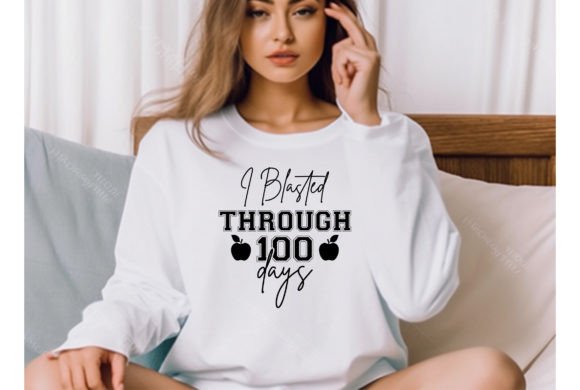
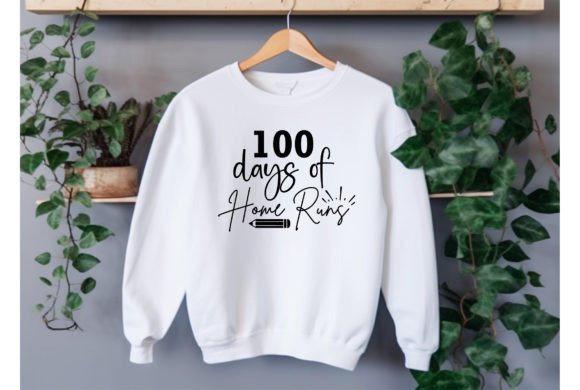
The 100 Days of Home Runs designs carry a sporty, energetic, and slightly nostalgic feel. The theme revolves around baseball, achievement, and milestone tracking, which immediately suggested projects like custom team apparel, coach gifts, youth league merchandise, and personalized gear for players and fans. The layout style feels bold and badge-like, which is a strong choice for custom apparel because it reads well from a distance. The visual personality is confident and celebratory without being overly childish, which means it can work for both kids and adults. I could see this on a sweatshirt embroidery piece for a little league parent or as a handmade product for a sports-themed boutique.
Real Case: Custom Embroidered Tote Bag for a Coach
I decided to test 100 Days of Home Runs on a sturdy canvas tote bag as a gift for a youth baseball coach. Tote bags are a forgiving canvas for embroidery because the fabric is stable, but they also require clear stitching because the weave is looser than a typical t-shirt. I imported the design into my digitizing software and examined the shapes. The lettering and number elements felt balanced, but I noticed some fine details that would need attention in smaller hoop sizes. I reduced the design to fit a 5 by 7 inch hoop and ran a test on scrap cotton first. The result was clean, but I had to adjust the thread colors to get good contrast against the natural canvas color. A dark navy thread worked best for the main elements, with a warm gold accent for the home run motif. The finished tote bag design looked sharp and professional. The coach loved it, and I had several parents ask if I could make more for the end-of-season party. That told me the design had commercial legs.
How It Performs Across Different Products
One of the reasons I wanted to review 100 Days of Home Runs is that it is listed under T-Shirt Designs, but as an embroiderer, I rarely limit a good graphic to just one product type. I tested it on several surfaces to see where it truly shines.
Apparel: Sweatshirts, T-Shirts, and Hats
On cotton t-shirts and sweatshirts, the design held up well. The bold shapes translated nicely into fill stitch and satin stitch combinations, and the stitch density felt reasonable for most home machines. I did notice that the design includes some thin accent lines that could cause trouble on stretchy fabrics like jersey knits if not stabilized properly. For sweatshirt embroidery, I used a medium-weight cutaway stabilizer and a ballpoint needle, and the result was smooth with no puckering. On caps, I had to be more careful. Curved surfaces compress the design, and some of the smaller text elements became harder to read. If you plan to stitch 100 Days of Home Runs on a cap, I recommend enlarging the design slightly and removing any tiny details that might get lost in the curve.
Home Decor and Gifts: Pillows, Towels, and Blankets
This design set also works well on pillow covers and tea towels. I stitched a version on a linen kitchen towel as a gift for a baseball-loving neighbor. The fill stitch areas felt dense but not overly heavy, and the design laid flat after washing. On a fleece blanket for a child, the design looked playful and inviting. The key was using a tear-away stabilizer for the towel and a cutaway stabilizer for the fleece. The fabric texture made a big difference: on smooth fabrics, the details popped; on textured fabrics like fleece, some of the finer shapes lost definition. I would avoid stitching it on very thin or loosely woven fabrics unless you use a water-soluble topper to keep the stitches crisp.
Patches and Small Merchandise
I also tested 100 Days of Home Runs as an embroidered patch for a tote bag and a jacket. The design has a natural badge-like layout that works beautifully for patches. I stitched it on felt with a dense satin stitch border, and it came out looking like a professionally made patch. This opens up possibilities for small shop merchandise like iron-on patches for backpacks, hats, or even dog collars. The design size needs to be scaled appropriately for patches though, because very small versions lose the readability of the numbers and lettering. I would not recommend going below a 3 by 4 inch hoop size for patch versions.
Where to Use This Design Carefully
No design is perfect for every surface, and 100 Days of Home Runs has a few limitations that smart makers should plan around. The most obvious challenge is small hoop sizes. If you are working with a 4 by 4 inch hoop, you will need to simplify the design significantly. The fine details and multiple text elements become cramped and hard to read below 3 inches in width. I tried a miniature version on a baby embroidery onesie, and while the concept was cute, the stitching was too tight for the fabric to feel comfortable. Save this design for projects where you have at least a 5 by 7 inch hoop or larger.
Another area of caution is dark fabric. The design relies on contrast between the thread and the background. On black or very dark shirts, the lighter thread colors in the design can get lost if you do not choose a bright enough palette. I recommend testing thread color combinations on a sample of the actual fabric before stitching the final product. A white or metallic underlay can help if you are set on using the design on dark garments. Also, watch out for stretchy fabric like ribbed knits or spandex blends. The design has some dense stitch areas that can cause the fabric to pucker if the stabilizer is not strong enough. Use a medium to heavy cutaway stabilizer and consider a layer of topper for extra stability.
Visual Appeal, Customer Trust, and Business Impact
When I sell a finished product that features 100 Days of Home Runs, the visual appeal directly affects how much a customer trusts the quality of my work. This design has a polished, badge-like look that feels premium when stitched cleanly. Customers notice the clarity of the lettering and the crispness of the motif. That translates into higher perceived value and a stronger willingness to pay. For Etsy seller listings, a well-stitched version of this design makes for excellent product photos. I took pictures of the tote bag in natural light and got several inquiries within days. The design also works well for personalized gifts because you can customize the numbers or text elements to match a specific player, team, or milestone. That level of personalization builds customer engagement and repeat business.
For craft business owners who sell at local markets, this design stands out on a rack of generic apparel. The sports theme is popular, but the execution of 100 Days of Home Runs feels less like a mass-produced graphic and more like a thoughtful, handmade piece. That is a huge advantage for handmade product sellers who compete with print-on-demand shops. When customers see the embroidery up close, they recognize the care that went into the stitching, and they are more likely to buy on the spot.
Practical Designer Notes Before You Stitch
Before you load 100 Days of Home Runs into your machine and start stitching for clients or personal projects, here are the steps I always recommend based on my testing.
- Test on scrap fabric first. Do not skip this step. Every fabric behaves differently, and the design may need subtle adjustments to stitch density or underlay to lay flat on your chosen material. I test on a piece of the same fabric I plan to use for the final product.
- Check thread color contrast. The design looks best when there is a strong contrast between the thread and the fabric. Light thread on a light shirt will wash out the details. Dark thread on dark fabric can disappear completely. Hold your thread spools against the fabric in natural light before you commit.
- Review stitch density. If you have digitizing software, check the stitch counts and density maps. Dense areas may need a reduction in stitch count or a change from fill stitch to satin stitch in some sections. If you are using the design as provided, run a small test to ensure the machine handles it smoothly.
- Confirm hoop size. This design is best suited for hoop sizes of 5 by 7 inches or larger. If you only have a 4 by 4 inch hoop, consider simplifying the design or using only the central motif without the surrounding text elements.
- Inspect small details. Look at the smallest lettering and thin accent lines. If they are narrower than 1.5 mm in stitch width, they may break or become distorted during stitching, especially on textured or stretchy fabrics. I recommend enlarging the design if the small details are essential to the look.
- Use proper stabilizer. For woven cotton and canvas, a medium-weight cutaway stabilizer is usually sufficient. For knits and stretchy fabrics, add a layer of water-soluble topper on top to prevent stitches from sinking into the fabric.
- Test in black and white first. I often print a black and white mockup of the design to check the readability of the shapes without color distraction. If the design looks confusing in grayscale, the embroidery may also look cluttered even with color.
- Check licensing before selling. Since 100 Days of Home Runs is a digital download, confirm whether the license covers commercial embroidery and finished product sales. Some graphics sets allow unlimited commercial use, while others have restrictions. If you plan to sell items with this design, make sure you are legally covered. Also, if you are reselling the digital embroidery file itself as a design asset, verify that the license permits that use.
These steps might sound like a lot, but they save time and materials in the long run. A test run on scrap fabric costs pennies compared to ruining a shirt or a tote bag that you planned to sell.
Final Thoughts for Makers and Shop Owners
100 Days of Home Runs is a versatile graphics set that translates well into machine embroidery when handled with care. Its sporty, badge-style layout works for a wide range of products from custom apparel and embroidered patches to home decor and personalized gifts. The design has a professional polish that builds customer trust and boosts the perceived value of your finished product. At the same time, it demands attention to detail in areas like fabric choice, stabilizer selection, and hoop size. If you are an Etsy seller or small shop product maker looking for a design that resonates with sports fans and milestone celebrators, this set is worth adding to your design assets. Just take the time to test it properly, and it will reward you with clean, attractive projects that sell well and make your customers smile.