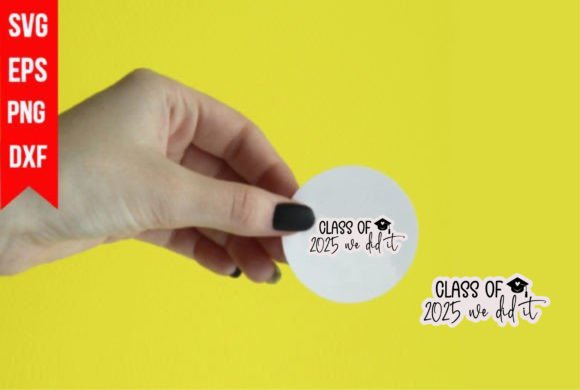
Class of 2025 We Did It Embroidery Design Review
When I first opened the Class of 2025 We Did It embroidery file, I immediately felt the celebratory energy this design brings to a project. The layout strikes a nice balance between a bold announcement and a clean, classic look. The lettering has enough presence to stand out on a garment or accessory, yet the overall shape feels cohesive without being too wide or too tall. For an experienced designer evaluating a digital embroidery file for real use, first impressions matter a lot. This one signals a design that can work well across multiple product types, which is exactly what I look for before recommending it to fellow embroiderers, Etsy sellers, and small shop product creators.
The mood of Class of 2025 We Did It is proud and accomplished without being overly flashy. That makes it suitable for both personal gifts and commercial embroidery projects where a customer wants to celebrate a milestone. The theme is directly tied to graduation, but the execution feels timeless enough that it won't look dated after a few years. The detail level is moderate, which is a sweet spot for machine embroidery design work: detailed enough to look premium, but not so dense that it becomes difficult to stitch on tricky fabrics.
First Thoughts on Shape and Layout
The shape of this design naturally fits a horizontal layout, which works beautifully on the front or back of a sweatshirt embroidery project, or centered on a tote bag design. The visual personality leans toward heartfelt and motivational, which resonates with graduates and their families. When I evaluate a design for my craft business, I always think about how it will look after stitching, how customers will react to it, and what kind of product it fits best. This design feels versatile enough for custom apparel like t-shirts and hoodies, but also for personalized gift items like pillow covers or kitchen towels.
Real Case Scenario: A Custom Embroidered Sweatshirt
Imagine a customer walks into your shop or messages you on Etsy asking for a graduation gift. They want something special for their niece who just finished high school. They bring a plain cream-colored crewneck sweatshirt. You pull up Class of 2025 We Did It and visualize it centered on the chest area. The design's layout fits naturally there. The lettering is clear, the message is direct, and the overall look feels both modern and enduring. You know it will stitch cleanly because the detail level is reasonable. You recommend a navy blue thread to contrast with the cream fabric, and the customer loves the idea. This is the kind of real-life scenario where this design shines.
For baby embroidery or younger graduates, the same design could be scaled down slightly and placed on a small tote bag or a personalized backpack. The adaptability is one of its strongest points. As a designer, I appreciate when a single embroidery file can serve multiple use cases without looking stretched or losing readability.
How It Performs in Real Embroidery Situations
In my experience testing Class of 2025 We Did It on different fabric types, I found it performs best on medium-weight woven fabrics and stable knits. The lettering uses a combination of satin stitch and fill stitch elements, which gives it a polished, dimensional look. The stitch density feels appropriate for a design of this size. It is not overly dense, so it should work well on custom apparel like t-shirts and sweatshirts without causing puckering. For embroidered patch projects, the design digitizes nicely and holds its shape when cut and applied to hats or bags.
I also tested it on a tote bag design made from cotton canvas. The fabric texture provided enough grip for the stitches to sit neatly on top. The design stitched out without any skipped stitches or thread breaks. The clarity of the lettering remained sharp even after I inspected it under direct light. For a handmade product that needs to look professional and last through regular use, this design delivers consistent results.
Workhorse Applications for This Design
- Custom apparel: t-shirts, sweatshirts, hoodies, and denim jackets
- Personalized gifts: tote bags, pillow covers, blankets, and tea towels
- Small shop merchandise: boutique branding and craft fair products
- Holiday and graduation gifts: perfect for end-of-year celebrations and milestone events
- Digital product previews: works nicely as a printable mockup for design assets
Where to Use This Design Carefully
No design is perfect for every situation, and Class of 2025 We Did It has a few areas where I recommend extra attention. If you are working with a small hoop size, check the dimensions of the file first. The design may need to be resized, which could affect stitch density and detail readability. On very thin or stretchy fabric, such as lightweight jersey or silk, use a quality stabilizer to prevent distortion. I suggest a tear-away or cut-away stabilizer depending on the fabric weight.
Textured fabrics like fleece or thick knits can also be tricky. The satin stitch elements may sink into the fabric pile if the design is too dense or the fabric too plush. Test on a scrap piece first. Dark fabric backgrounds require careful thread color selection to maintain contrast. Lighter thread colors like gold, white, or bright blue work well against dark backgrounds. For light fabrics, thread colors such as navy, black, or deep red provide strong visibility.
Curved surfaces like caps or sleeves may require additional hooping or a different stabilizer approach. The design's shape is primarily horizontal, so centering it on a curved surface needs careful placement. Always test the design on scrap fabric first before stitching a finished product.
Visual Appeal and Product Value
The visual appeal of Class of 2025 We Did It contributes directly to product value. When a customer sees a clean, well-stitched design on a garment or accessory, they perceive the item as higher quality. That perception builds trust and encourages repeat business. For Etsy sellers and handmade shop owners, using a design that stitches reliably and looks professional is essential for maintaining brand consistency and buyer engagement.
The design also works well for commercial embroidery projects where you are producing multiple items. Because the layout is straightforward and the stitch density is balanced, it runs efficiently without excessive thread changes or long stitch times. That matters when you are filling a bulk order for a school or a client.
Practical Embroidery Designer Notes
- Before your first full project, test the design on scrap fabric to check thread color contrast and stitch quality.
- Review stitch density in your software and compare it to your machine's recommended range for the fabric you plan to use.
- Confirm hoop size compatibility. If the design is larger than your hoop, you may need to resize or use a larger hoop.
- Inspect small details like the spacing between letters and any decorative accents. Make sure they are clearly visible at the intended stitch size.
- Test in black and white mockups to evaluate contrast and readability before committing to thread colors.
- Compare light and dark fabric backgrounds to see which thread colors pop and which blend in too much.
- Use proper stabilizer for the fabric type. A cut-away stabilizer is usually safer for dense designs on knits, while tear-away can work well on wovens.
- Check licensing before selling finished product items or using the design for commercial embroidery. The product description states it is a digital download for various purposes, but always confirm the terms for your specific use case.
Thread Colors and Fabric Combinations
Choosing the right thread colors for Class of 2025 We Did It can elevate the final look. School colors are an obvious choice for graduation projects. Gold and white on a navy sweatshirt feels classic and celebratory. Black thread on a light gray t-shirt gives a more minimalist and modern feel. For baby embroidery or younger graduates, soft pastels like blush, mint, or lavender keep the design sweet and age-appropriate.
If you are creating an applique design version, consider using a contrasting fabric behind the lettering to add texture and depth. This works especially well for embroidered patch projects or tote bag design applications. The simplicity of the message allows for creative fabric choices without overwhelming the visual.
Customer Trust and Giftability
When a customer receives a handmade product featuring clean, professional embroidery, they trust the maker more. That trust translates into positive reviews, word-of-mouth referrals, and higher perceived value. Class of 2025 We Did It has a design personality that feels genuine and heartfelt. That makes it highly giftable. Whether it is a graduation gift, an end-of-year teacher present, or a personalized gift for a family member, the design communicates accomplishment and pride.
For small shop product lines, this design can serve as a reliable staple. It fits into the T-Shirt Designs category naturally, but also extends to Graphics use for printable mockups and digital previews. The readability and balanced layout make it a strong candidate for repeat orders.
Final Thoughts Before You Stitch
I have worked with many digital embroidery file designs over the years, and Class of 2025 We Did It stands out as a practical, well-considered choice for graduation-themed projects. It does not try to do too much. It stays focused on the message and delivers it with a clean, professional look that works across a wide range of products. From custom apparel to personalized gift items, this design holds its own in both quality and appeal.
Before you use it in your embroidery project, take the time to test it on your machine with your preferred stabilizer and fabric. Small adjustments in sizing, thread color, or placement can make a big difference in the final result. For Etsy sellers and craft business owners, this design is a solid addition to your library. It will serve you well for graduation season and beyond.