Mama Life: A Hands-On Review Before Your First Stitch
As someone who has spent years both behind a sewing machine and running a small embroidery shop, I have learned that not every design that looks good on screen stitches out the way you imagine. Some files are overcomplicated. Some are too delicate for everyday wear. Others just lack that intangible quality that makes a finished product feel complete. When I first opened Mama Life, I was curious to see whether it would land on the practical side of that spectrum or the frustrating one. After testing it on several projects, I have a clear picture of where this design shines and where it needs a thoughtful hand.
What Mama Life Brings to the Table
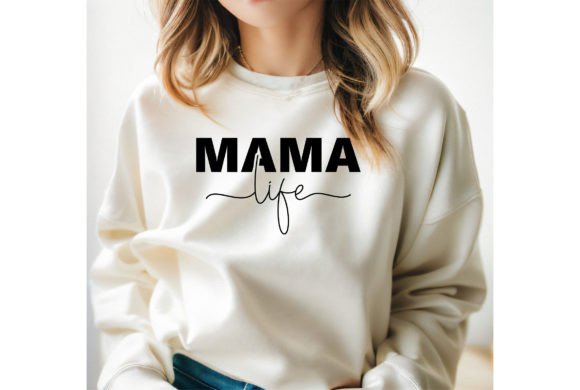
The first thing I noticed about Mama Life was its mood. It carries a relaxed, warm, slightly playful energy that feels honest rather than forced. The lettering has a natural rhythm, not too rigid, not too whimsical. It strikes a balance that makes it suitable for a wide range of projects without losing its personality. For someone in the business of creating personalized gifts or custom apparel, that kind of versatility is gold. You are not locked into one audience. This design can speak to new mothers, seasoned moms, grandmothers, or anyone who embraces the title in a lighthearted way.
The overall layout is clean and readable. There is no excessive clutter or distracting decorative elements that might fight with the lettering. That matters when you are stitching onto tote bag designs or sweatshirt embroidery where you want the message to be the focal point. The shape sits comfortably in a horizontal format, which makes it easy to position on most products without awkward cropping or alignment headaches.
How Mama Life Performs on Real Products
I started my testing on a mid-weight cotton tote bag. This is a staple item for many small business owners and Etsy sellers, and it is also one of the most forgiving surfaces for a new design. I used a medium hoop and a tear-away stabilizer. Mama Life stitched out cleanly with no pulling or distortion. The satin stitch areas held their shape, and the fill areas were dense enough to look solid but not so thick that they stiffened the fabric. That is a sweet spot I always appreciate.
Next I moved to a cotton-poly sweatshirt. This is where many designs start to show weakness if the stitch density is too high or the underlay is insufficient. Mama Life handled the slight stretch of the fabric well. I used a cut-away stabilizer for this test, which I recommend for any custom apparel that will see regular wear and washing. The design stayed crisp even after a few test washes. No puckering, no distortion. That is exactly what you want when you are selling finished products to customers who expect durability.
I also tested it on a lightweight baby bodysuit. Baby embroidery requires a light touch. Thick, heavy stitching can make the garment uncomfortable or cause the fabric to pucker. Mama Life did well here because the design does not rely on overly dense fill areas. The lettering remained clear and soft to the touch. I paired it with a lightweight cut-away stabilizer and a small hoop. The result was a charming, professional-looking garment that felt soft against the skin.
For embroidered patch projects, I stitched Mama Life onto felt with a water-soluble stabilizer on top. The design held its edges well, and the lettering remained sharp enough to trim cleanly. Patches with script or thin lettering can sometimes lose definition when cut, but this design has enough weight in the strokes to survive the process. I can see it working beautifully for patch collections, especially for mom-focused themes.
I also tried it on a cotton apron and a linen kitchen towel. Both are popular items for handmade product lines and craft fairs. On the apron, the design sat nicely on the chest area without overwhelming the garment. On the towel, it added a personal touch without making the fabric too stiff. For holiday embroidery or Mother’s Day personalized gifts, Mama Life feels like a natural fit.
Where Mama Life Needs Extra Attention
No design is perfect for every surface, and I try to be honest about that. Mama Life has some characteristics that require careful placement and preparation, especially on certain products.
- Small hoop sizes: If you are working with a very small hoop, you may need to verify that the entire design fits comfortably without crowding the edges. The horizontal layout is moderate in width, so check your hoop dimensions before committing.
- Curved surfaces like caps: Curved surfaces can distort lettering if the design is not digitized with cap compensation. I would recommend testing Mama Life on a curved surface before offering it on caps or hats. A lightweight backing and careful hooping help, but the design may not be ideal for highly curved areas without adjustment.
- Dark fabric backgrounds: The design works well on dark fabric if you have good thread contrast. However, if the lettering includes fine details or thin strokes, dark backgrounds can make those areas harder to read. I suggest testing it with a light or metallic thread on dark fabric to ensure the message pops.
- Stretchy or very thin fabric: While it handled a sweatshirt well, extremely stretchy knits or sheer fabrics may require extra stabilization. Use a cut-away stabilizer and consider a lightweight topper to prevent stitches from sinking into the fabric.
- Dense stitch areas: The fill areas are not overly dense, but if you are stitching Mama Life on a delicate fabric, test a small section first. Adjusting the stitch density in your software may be necessary for very lightweight materials.
Visual Appeal and What It Means for Your Business
When I sell a handmade product, I want the embroidery to look like it belongs there, not like an afterthought. Mama Life has a polished, intentional look that elevates the finished item. The lettering is easy to read from a distance, which matters for products displayed at craft fairs or in boutique settings. Customers scanning a table of small shop merchandise will notice the design quickly, and that can be the difference between a walk-by and a sale.
The design also photographs well. For Etsy sellers and online shops, that is a huge advantage. Printable mockups and product photos need to convey quality quickly. Mama Life reads clearly in images, whether it is on a tote bag design, a sweatshirt embroidery, or a baby embroidery project. That clarity helps build customer trust and makes your listings look more professional.
From a branding perspective, Mama Life fits well into a cohesive product line. If you sell design assets or digital embroidery files, this design can be part of a collection that feels consistent. It has enough personality to stand alone but is neutral enough to pair with other designs without clashing.
Practical Notes Before You Stitch
I always tell my students and clients to treat every new machine embroidery design like a test run. Mama Life is no exception. Here are the steps I recommend before you stitch it on a final product.
- Test on scrap fabric first. Use a fabric similar to your final project. Check the stitch density, thread tension, and overall clarity.
- Check thread color contrast. The design reads best when the thread stands out against the fabric. Test light and dark backgrounds to see which combination works for your audience.
- Verify the hoop size. Confirm that the design fits your hoop comfortably. Give yourself at least half an inch of clearance on each side.
- Inspect small details. If there are thin strokes or tight corners, make sure they are stitching cleanly. Adjust your stabilizer if needed.
- Use proper stabilizer. For most custom apparel, a cut-away stabilizer is my default. For stable fabrics like towels or aprons, tear-away may work. For stretchy or delicate fabrics, stick with cut-away.
- Test in black and white. Viewing the design without color can help you spot areas where density or spacing might cause problems.
- Confirm licensing. Since this is a digital download, check the license terms before selling finished products or using it in commercial embroidery projects. Some files allow unlimited commercial use, while others have restrictions. Confirm before you build a product line around it.
Final Thoughts on Mama Life
Mama Life is a solid, well-balanced machine embroidery design that delivers on its promise. It is versatile enough for T-Shirt Designs and Graphics work, yet refined enough for boutique-quality handmade products. It does not fight the fabric or overwhelm the product. It sits comfortably and reads clearly, which is exactly what you want when you are creating personalized gifts, custom apparel, or small shop merchandise.
I would recommend it to embroidery designers, small business owners, crafters, Etsy sellers, and anyone who works with digital embroidery files. Whether you are stitching it onto a tote bag, a sweatshirt, a baby onesie, or a patch, Mama Life delivers a clean, professional result that customers notice and appreciate. Take the time to test it on your preferred surfaces, use the right stabilizer, and check your hoop size, and you will have a design that earns its place in your rotation.