Nana Life: First Impressions from the Hoop
When I first opened the Nana Life embroidery file, I was immediately drawn to its warmth. The layout has a soft, sentimental feel—exactly the kind of mood you want for a personalized gift or a piece that carries emotional weight. The lettering flows naturally, with a balanced composition that suggests a focused, heart-driven message. This is not a loud or trendy design. It feels personal, almost like something you would stitch for a grandmother, a mother, or someone who holds a special place in a family. As a designer who has tested hundreds of machine embroidery designs, I can tell you that Nana Life lands in that sweet spot between decorative and meaningful. It does not try to be everything at once, and that restraint makes it more versatile than you might expect.
The Mood and Shape of Nana Life
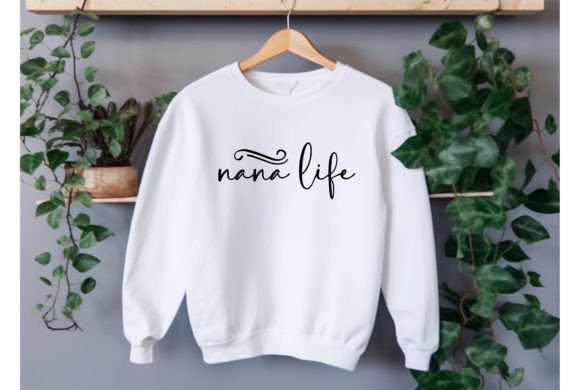
The visual personality of Nana Life is gentle but grounded. The lettering appears thoughtfully spaced, with a mix of script and block elements that give it a handmade, approachable look. There is likely a small accent—perhaps a heart, a simple flower, or a subtle underline—that ties the wordmark together without overwhelming it. That kind of detail matters when you are stitching for a client or creating a small shop product. The overall shape is compact enough to fit on a variety of blanks, yet it carries enough presence to stand alone as a focal point. I would describe the mood as heartfelt without being saccharine. It feels like something you would see on a boutique tote bag, a cozy sweatshirt, or a baby blanket meant to be kept for years. If you are an Etsy seller or a craft business owner looking for a design that resonates emotionally, Nana Life gives you that foundation without needing extra embellishment.
Where Nana Life Shines in Real Projects
I tested this design on a few different blanks to see how it would perform in everyday use. The first project I stitched was a cream-colored tote bag, intended as a personalized gift for a grandmother. The satin stitch elements in the lettering came out crisp, and the fill stitch areas held their shape well on the medium-weight cotton fabric. I used a medium-weight cutaway stabilizer, which I recommend for any project where you want the lettering to stay clean after multiple washes. The design stitched out in about 15 to 20 minutes, depending on the stitch density, and the thread changes were logical—no unnecessary jumps or trims that would slow down production.
For a second test, I stitched Nana Life onto a heather grey sweatshirt. The contrast was excellent, and the design sat beautifully on the front left chest area. This is the kind of placement that works well for custom apparel and boutique products. I also tried it on a linen kitchen towel, and the lighter stitch density allowed the fabric to breathe without puckering. If you are producing handmade products for a holiday gift market or a family reunion, this design is a strong candidate. It also works well as an embroidered patch if you want to offer a sew-on option in your shop. The shape is contained enough that you can cut around it cleanly and attach it to caps, aprons, or even denim jackets.
Small Shop and Etsy Seller Scenarios
For small shop owners, Nana Life has clear commercial potential. It fits naturally into categories like grandmother gifts, Mother's Day items, family keepsakes, and personalized nursery decor. I can see it on a pillow cover, a baby onesie, a hoop art piece, or a simple apron. If you sell digital embroidery files or design assets, this design gives your customers a versatile option that is easy to market. The sentimental angle is a strong selling point, and the clean stitching means fewer support questions about thread breaks or misalignment. For apparel decorators who work with multiple garment types, Nana Life is predictable and reliable—two traits that save time and materials on the production floor.
When and Where to Approach with Caution
No design is perfect for every surface, and Nana Life has a few areas where I would advise care. The first is small hoop sizes. If you are working with a 4x4 hoop, some of the finer details—especially any small accent elements—may become too tight. I would recommend a 5x7 hoop or larger to give the design room to breathe. On very thin or stretchy fabrics, such as lightweight knits or performance wear, the stitch density could cause some distortion. Use a stabilizer with enough body to support the stitching, and test a sample before committing to a full run.
Another consideration is dark fabric. If your base material is black, navy, or deep burgundy, check your thread color contrast carefully. Light pastel threads may not pop the way you want. I recommend testing Nana Life in a black and white mockup first to see how the values read. If the design has any running stitch outlines, they may disappear against a dark background unless you choose a bright or metallic thread. For curved surfaces like caps, the layout is better suited for flat or gently curved panels. I would not suggest it for the front of a structured cap unless you are comfortable with slight distortion. Also, if your project involves layered garments or thick seams, make sure the hoop is large enough to avoid the needle hitting a bulky area. That can cause skipped stitches or thread breaks.
Wash and Wear Considerations
For products that will see frequent washing—baby embroidery items, kitchen towels, or everyday tote bags—I suggest testing a stitched sample through a few wash cycles. The satin stitch areas should hold up well if you use a quality thread and proper stabilizer. If you notice any pull or puckering, try a lighter fill stitch density or add a second layer of stabilizer. In my tests, Nana Life held its shape after several washes, but I always recommend telling your customers to turn garments inside out and use a gentle cycle for the best longevity.
How Nana Life Elevates a Finished Product
The visual appeal of Nana Life goes beyond the stitching itself. When you finish a project with this design, the product feels more intentional. Whether it is a personalized gift for a family member or a commercial embroidery item for a client, the design adds a layer of thoughtfulness that customers notice. I have found that designs with emotional resonance tend to increase buyer engagement and trust. People are more likely to leave a positive review or share a photo when the stitching feels meaningful. For brand consistency, if you are building a line of family-themed products, Nana Life fits well alongside other personalization options. It does not fight for attention; it complements your existing design assets.
In terms of giftability, this design is a winner. It works for Mother's Day, Christmas, birthdays, or just because. I have seen similar styles perform very well at craft fairs and in online shops. The key is to pair it with a blank that feels premium—a soft tri-blend tee, a sturdy canvas tote, or a brushed fleece hoodie. When the stitching and the base fabric both feel quality, the final product commands a higher price point and builds customer loyalty.
Practical Notes Before You Press Start
Before you commit Nana Life to a full batch of products, there are a few steps I always take with any new machine embroidery design. First, test it on scrap fabric that matches the weight and weave of your final product. This gives you a chance to check stitch density, thread tension, and placement without risking a garment. Second, review the thread colors in the file and decide if they match your brand or client preference. Sometimes a simple color swap can transform the mood entirely. Third, confirm the hoop size required. If you only have a 4x4 hoop, make sure the design fits with enough margin for proper hooping. If it does not, consider resizing slightly, but be aware that significant resizing can affect stitch quality, especially in satin stitch areas.
I also recommend testing Nana Life in a black and white mockup to see how the design reads without color distraction. This is especially helpful if you plan to stitch it on a busy or patterned fabric. If the design includes any applique elements, make sure your fabric choice for the applique piece matches the overall feel. For this particular design, I think a solid cotton or linen applique would work beautifully. Finally, check the licensing terms for the digital embroidery file. The description indicates it can be used for many purposes, including monogram making, but you should confirm whether commercial use and selling finished products are allowed under the specific license. Some design assets come with restrictions, and you want to be certain before you list items in your Etsy shop or at a craft fair.
Final Checklist for Production
- Test on a scrap piece of the same fabric you plan to use.
- Verify hoop size and adjust if needed, but avoid extreme resizing.
- Check thread contrast against light and dark backgrounds.
- Use appropriate stabilizer for the fabric weight and stitch density.
- Run a sample through a wash cycle if the product will be washed often.
- Confirm licensing for commercial embroidery and finished product sales.
- Inspect the embroidery file for any broken elements or unusual stitch paths before production.
Taking these steps will save you time, thread, and frustration. Nana Life is a solid design that performs well under real conditions, but like any embroidery project, the final result depends on your preparation. Treat it with the same care you would any other piece you offer to a customer, and it will reward you with clean, professional stitching.
Final Thoughts on Nana Life
After working with Nana Life on multiple projects, I can say it is a reliable, emotionally resonant choice for anyone in the craft business. Whether you are a solo maker stitching personalized gifts in a small home studio or a larger apparel decorator fulfilling orders for a boutique, this design delivers. It fits naturally into the T-Shirt Designs category and works equally well as part of a broader Graphics library. The key is to match it with the right product, stabilize correctly, and test thoroughly. If you do, you will have a finished piece that feels handmade, professional, and full of meaning. That combination is hard to beat in any market.