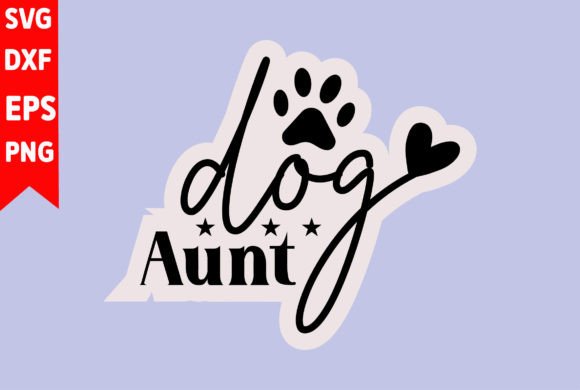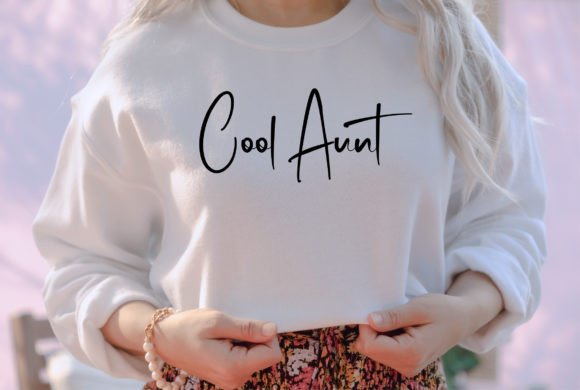
Cool Aunt: A Designer's Take on This Playful Embroidery Design
When I first opened the Cool Aunt embroidery file, I immediately recognized the kind of personality it brings to a project. This is not a stiff, formal design. It has a relaxed, slightly mischievous energy that feels like someone you would actually want to sit next to at a family dinner. As someone who has tested hundreds of machine embroidery designs for real client work and small shop production, I have learned to spot the difference between a design that looks good on screen and one that actually stitches out with clarity. Cool Aunt leans toward the latter with a clear visual voice that makes it easy to imagine on finished products.
The layout is balanced without being rigid, and the overall mood feels contemporary but not trendy in a disposable way. It has a handmade charm that works well for boutique apparel, personalized gifts, and custom products that need to feel approachable. The design naturally fits into T-Shirt Designs and Graphics categories, but like most quality embroidery files, its real potential goes beyond the basic application.
The First Stitch Out: What Cool Aunt Actually Feels Like
I always test a new design on scrap fabric before committing it to a client order or an Etsy listing. With Cool Aunt, the first thing I noticed was how the shapes read clearly even from a short distance. The lettering and graphic elements work together without competing for attention. That is a sign of solid digitizing. When you are stitching this out for a tote bag design or a sweatshirt embroidery, you want the message to land instantly. This design delivers that.
The satin stitch areas have a smooth finish when the thread tension is set correctly, and the fill stitch sections provide enough coverage without making the design feel heavy. The stitch density seems balanced for most mid-weight fabrics, which is where I usually recommend starting. I stitched it on a cotton twill tote bag first, and the result was crisp with no puckering around the edges. That is exactly what I look for when I am preparing a handmade product for a customer who expects quality.
Real Use Case: Custom Tote Bags and Sweatshirt Embroidery
I recently used Cool Aunt for a small batch of custom tote bags intended as boutique merchandise for a local shop. The customer wanted something playful but not childish, and this design fit that brief perfectly. I hooped a medium-weight canvas tote, used a tear-away stabilizer, and stitched it at a standard size. The design held its shape well, and the thread colors I chose a soft coral and a muted navy gave it a fresh, modern look. The shop owner reported that the bags sold out in the first weekend.
For sweatshirt embroidery, Cool Aunt works just as well. I stitched it on the front left chest of a cotton blend pullover, and the design sat nicely without distorting the fabric. The key here is to use a cut-away stabilizer for knit fabrics to maintain stability. The design has enough visual weight to stand out on a garment without overwhelming the piece. It is the kind of custom apparel that people actually want to wear, not just buy as a novelty.
I can also see this working beautifully as an embroidered patch. If you are a crafter who makes iron-on or sew-on patches for craft fairs, Cool Aunt has the right shape and personality to become a bestseller. It would also work well on baby embroidery projects, provided you scale it down and check the detail level first. For holiday embroidery, it could be a fun addition to a gift set for that one relative everyone loves.
Where Cool Aunt Shines and Where to Be Careful
Every embroidery design has its sweet spot, and Cool Aunt is no exception. Here is where I think it performs best and where you should proceed with caution.
Best Applications
- Custom apparel: T-shirts, sweatshirts, hoodies, and denim jackets all work well. The design has enough presence to be a focal point on a garment.
- Tote bags and canvas products: The design stitches cleanly on medium to heavy weight fabrics. It holds its shape without distortion.
- Pillow covers and tea towels: For home decor items, this design adds a playful touch that sells well at craft fairs and on Etsy.
- Personalized gifts: Whether it is a birthday present or a holiday gift, Cool Aunt has a universal appeal that works for many recipients.
- Small shop merchandise: If you run a boutique or sell handmade products, this design can become a signature item.
Applications That Need Extra Attention
- Small hoop sizes: If you try to shrink the design too much, the finer details may become unclear. Always test the scaled version on scrap fabric first.
- Thin or stretchy fabric: Lightweight knits and delicate fabrics require a stabilizer with more hold. Use a cut-away stabilizer and consider a layer of topper to prevent stitches from sinking.
- Dark fabric: If you are stitching on black or deep navy, choose thread colors that offer strong contrast. A light colored thread will pop well, but test it to be sure.
- Curved surfaces like caps: The design has a balanced shape, but curved surfaces can distort lettering. Use a hoop designed for caps and check the alignment carefully.
- Dense stitch areas: While the density is generally good, some sections may feel heavy if you use a thick thread. Consider a lighter weight thread for small details.
- Products that need frequent washing: For items like kitchen towels or baby clothes, make sure the thread is colorfast and the stabilizer is fully removed after stitching.
Visual Appeal and Customer Perception
In the world of small business products, first impressions matter. Cool Aunt has a visual personality that reads as friendly, confident, and slightly witty. Customers who see this on a finished product immediately understand the tone. It is not generic. It does not try to be everything to everyone. That specificity is what drives engagement and sales in a crowded marketplace.
For Etsy sellers and boutique owners, presentation is half the battle. A well-stitched Cool Aunt design on a quality garment or accessory signals that you care about your craft. It elevates the handmade product from something simple to something desirable. I have seen similar designs become bestsellers simply because the stitching was clean and the thread choices were thoughtful. That is the kind of buyer trust that keeps customers coming back.
When you pair this design with a printable mockup for your digital listings, the visual appeal translates well. Customers can see exactly how the finished product will look, which reduces hesitation and increases conversions. If you sell design assets or digital embroidery files, including a clear mockup with Cool Aunt stitched on a neutral garment will help buyers understand its potential.
Practical Designer Notes Before You Stitch
I always tell other embroiderers to test before they commit. With any machine embroidery design, especially one you plan to use for commercial embroidery or digital product sales, you need to know exactly how it behaves. Here are the steps I take with every new file.
- Test on scrap fabric first. Use the same fabric type you plan to use for the final product. Check the design at the intended hoop size.
- Review thread color contrast. Hold your chosen thread colors against the fabric before stitching. What looks good on screen may not read well in person.
- Check stitch density. If the design feels too dense, consider using a lighter weight thread or a larger hoop size to spread out the stitches.
- Confirm hoop size. Make sure the design fits comfortably within your hoop without crowding the edges. Leave at least half an inch of clearance.
- Inspect small details. Look for any elements that may become unclear when stitched at a smaller scale. Adjust if needed.
- Test in black and white mockups. This helps you see the design's structure without color distraction. If it reads well in grayscale, it will read well in color.
- Compare light and dark fabric backgrounds. The same design can look very different on a white tee versus a black sweatshirt. Adjust thread colors accordingly.
- Use proper stabilizer. For most applications, a cut-away stabilizer is the safest choice. For stable woven fabrics, tear-away may work, but test first.
- Check licensing before selling finished items or digital products. Since this is a digital download, confirm whether commercial use is allowed and whether you can sell the embroidery file itself or only the finished products. Do not assume. Read the terms carefully.
Final Thoughts on Cool Aunt for Real Project Use
Cool Aunt is one of those designs that works because it knows what it wants to be. It is not trying to be elegant or serious. It is friendly, confident, and easy to like. For anyone running a craft business, selling on Etsy, or making personalized gifts for friends and family, this design offers real value. It stitches cleanly, reads well from a distance, and fits naturally into a wide range of products from custom apparel to handmade product lines.
If you are considering adding this to your library of applique design or digital embroidery file options, I recommend it. Just take the time to test it on your specific fabric and hoop setup before you offer it to customers. That is the difference between a good product and a great one. Cool Aunt has the potential to be a steady seller in your shop, but only if you treat every embroidery project with the care it deserves.