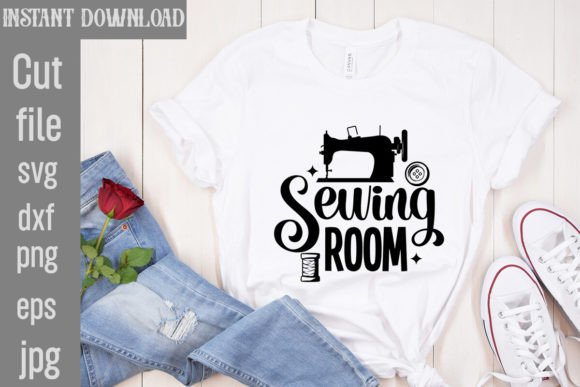
Sewing Room SVG Cut File for Graphics
As a graphic designer with years of experience in branding, packaging, and digital design, I often find myself evaluating design assets for real client projects. The Sewing Room SVG Cut File caught my attention as a potential addition to a creative design toolkit, especially for t-shirt designs and printable graphics. This digital product offers a range of file formats, making it versatile for different design needs.
First Impressions and Visual Mood
The Sewing Room SVG Cut File immediately evokes a cozy, nostalgic feel. It’s the kind of design that feels like it belongs in a handmade business or a small business branding project. The visual elements are warm and inviting, suggesting a style that leans toward vintage, rustic, or artisanal aesthetics. This makes it ideal for seasonal campaigns, local events, or Etsy products that aim to connect emotionally with their audience.
The design has a subtle texture that adds depth without overwhelming the composition. It’s not overly complex, which means it can work well in both minimalist and more detailed layouts, depending on how it’s applied.
Practical Use in Real Design Situations
In logo design, the Sewing Room SVG Cut File could serve as a strong visual anchor, especially for brands centered around crafts, home goods, or personalized items. Its vector format ensures scalability, making it suitable for everything from business cards to large banners.
For brand identity, this asset can be used as a recurring motif across different touchpoints—packaging, social media graphics, or website headers. It helps reinforce a cohesive visual language that aligns with the brand’s personality.
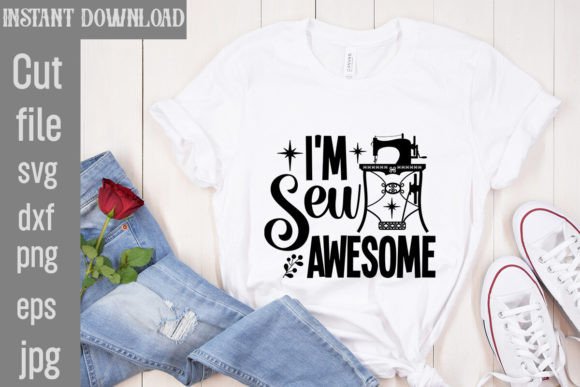
When it comes to t-shirt design, the Sewing Room SVG Cut File is a solid choice. Its clean lines and recognizable shape make it easy to adapt into print-ready files. Whether used as a central graphic or a background element, it adds character without competing with text or other design elements.
Best Fit for Design Projects
This design asset shines in large layout areas where its details can be fully appreciated. It works well as a hero graphic on landing pages, a decorative accent in product mockups, or a key element in themed collections. For seasonal campaigns or limited-edition merchandise, it adds a sense of authenticity and craftsmanship.
It also excels in printable designs, such as stickers, posters, or wall art. Its transparent PNG version ensures it blends seamlessly into any background, while the SVG and EPS files allow for easy customization in design software.
Caution Areas and Limitations
While the Sewing Room SVG Cut File is visually appealing, it may not be the best fit for every project. In small sizes, the details can become lost, making it less effective for icons or micro-designs. It also doesn’t perform well in crowded layouts where multiple elements compete for attention.
On low-contrast backgrounds, the design may appear washed out. For minimalist branding or professional corporate materials, it might feel too whimsical or informal. If the goal is a clean, modern design, this asset could clash with the intended aesthetic.
Impact on Design Quality and Brand Perception
Using the Sewing Room SVG Cut File can significantly enhance the emotional appeal of a design. It adds a layer of warmth and familiarity that resonates with audiences looking for authenticity. This is particularly valuable for handmade businesses or small business branding where storytelling plays a key role.
However, it’s important to consider how this design fits within the overall visual hierarchy. If not balanced properly, it could overshadow other critical elements like text or logos. Ensuring proper contrast and spacing is essential to maintain clarity and professionalism.
Designer Notes and Practical Checks
Before using the Sewing Room SVG Cut File for a client project, I recommend testing it in black and white to see how it holds up without color. Check its contrast on both light and dark backgrounds to ensure visibility. Preview it at various sizes to confirm that it remains legible and impactful.
Place it on real mockups to see how it integrates with other design elements. Test print quality if it will be used for physical products. Review the file formats provided—SVG, DXF, EPS, and PNG—to ensure they meet your workflow needs. If transparency is involved, double-check the PNG file for clean edges.
Compare it with different font styles to see how it complements or contrasts with typography. Finally, always verify the commercial license to ensure it’s suitable for the intended use, especially when working with clients or selling digital products.
Conclusion: A Versatile Creative Asset
The Sewing Room SVG Cut File is a valuable addition to any design bundle, particularly for projects that benefit from a handcrafted or nostalgic aesthetic. It’s well-suited for t-shirt designs, printable graphics, and small business branding. However, its effectiveness depends on how it’s integrated into the broader design strategy.
As a designer, I appreciate the thoughtfulness behind this asset. It’s not just a clipart or illustration—it’s a tool that can elevate a project’s mood and visual appeal. With careful consideration and practical checks, it can be a powerful part of a creative design process, helping to bring a client’s vision to life with warmth and authenticity.